Diabetes Treatment in Noida: Symptoms, Diet Plan, and Long-Term Control Guide
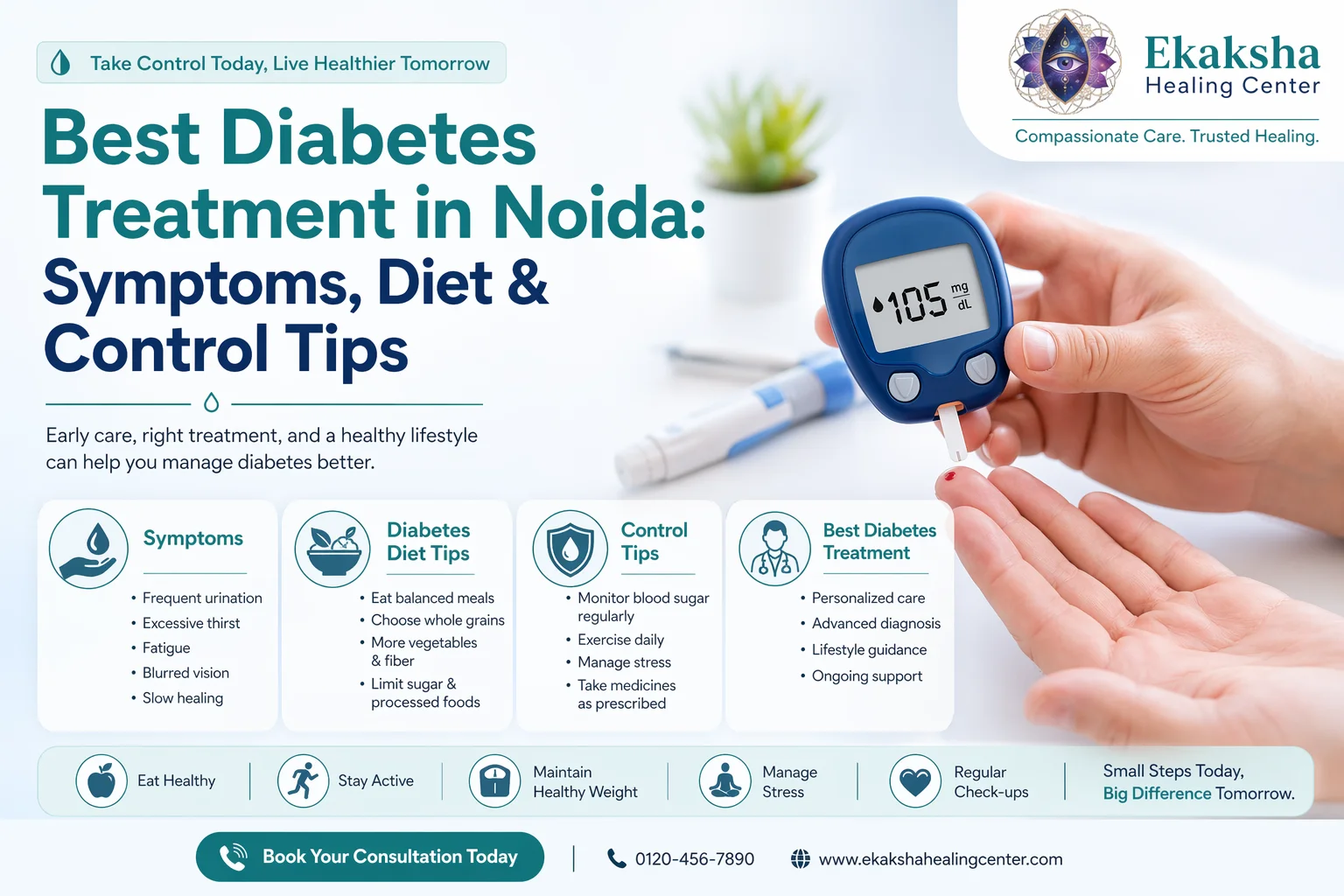
Looking for diabetes treatment in Noida? This 2026 guide covers symptoms, causes, tests, Indian diet plan, complications, and when to consult Dr. Mayank Anand.
Diabetes is no longer a disease that affects only older adults. Today, people in their 30s and 40s are also getting diagnosed because of stress, irregular food habits, sleep debt, central obesity, and low physical activity. If you are searching for reliable and practical diabetes treatment in Noida, this detailed guide will help you understand what to do next, what to avoid, and how to protect your long-term health.
At Ekaksha Healing Center, many patients come with confusion: "Sugar high hai, kya sirf medicine enough hai?" The truth is simple. Good control needs the right mix of diagnosis, treatment, food strategy, movement, sleep, and follow-up.
This article is written in patient-friendly language for Indian families, with medical guidance aligned with trusted sources such as WHO, CDC, ADA, and Mayo Clinic.
What is Diabetes?
Diabetes is a chronic metabolic condition in which blood glucose (blood sugar) remains high for long periods. This happens when:
- The body does not produce enough insulin.
- The body does not use insulin effectively (insulin resistance).
- Or both problems occur together.
Insulin is a hormone that helps glucose move from blood into cells for energy. When this process is disturbed, glucose builds up in the blood and damages blood vessels and nerves over time.
Main types of diabetes
- Type 1 diabetes: Autoimmune, usually insulin-dependent.
- Type 2 diabetes: Most common form in adults; linked with insulin resistance and lifestyle risk factors.
- Gestational diabetes: Develops during pregnancy and needs careful monitoring.
WHO has highlighted that diabetes prevalence has increased sharply worldwide, especially in low- and middle-income countries. This makes early diagnosis and sustained treatment more important than ever.
Causes
There is usually no single cause. Type 2 diabetes develops due to a combination of biology, lifestyle, and family history.
Common risk factors
- Family history of type 2 diabetes
- Abdominal obesity (belly fat)
- Physical inactivity
- High intake of refined carbohydrates and sugary drinks
- Poor sleep quality
- Chronic stress
- History of gestational diabetes
- Prediabetes not managed early
- Fatty liver and metabolic syndrome
Why urban patients are at higher risk
In many urban areas, including Noida, people sit for long hours, skip breakfast, eat late dinners, and sleep past midnight. These patterns increase insulin resistance and make blood sugar control difficult even when body weight is not very high.
Symptoms
Type 2 diabetes can remain silent for months or years. Many patients are diagnosed only during a routine test.
Early signs
- Frequent urination
- Increased thirst
- Increased hunger
- Unexplained tiredness
- Blurred vision
- Slow wound healing
- Frequent skin, urine, or fungal infections
Late or warning signs
- Tingling or numbness in feet
- Recurrent infections
- Sudden weight loss
- Persistent fatigue despite rest
- Non-healing foot cuts
If these symptoms are present, get tested early. Delaying diagnosis increases the chance of complications.
Main Solution Section: How to Manage Diabetes Effectively
This is the most important section for people actively looking for diabetes treatment in Noida. Think of management in a step-by-step way, not as random tips.
Step 1: Confirm diagnosis properly
Do not rely on one random sugar reading after a heavy meal. Proper evaluation usually includes:
- Fasting plasma glucose
- Post-meal glucose
- HbA1c
- Kidney function and urine microalbumin
- Lipid profile
- Liver profile
- Blood pressure and weight/waist assessment
Clinical references commonly use values such as:
- HbA1c 6.5% or above for diabetes diagnosis
- Fasting plasma glucose 126 mg/dL or above for diabetes diagnosis
Your doctor may repeat tests to confirm diagnosis if needed.
Step 2: Set personalized treatment goals
A common mistake is chasing one "perfect number" copied from social media. Targets are individualized by age, comorbidities, and risk of low sugar.
For many adults:
- HbA1c target is often around 7% or less
- Fasting and post-meal targets are individualized
If you are elderly, have kidney disease, or have frequent hypoglycemia, your goals may be different.
Step 3: Build a structured medicine plan
Medication is not a failure. It is protection.
Best practices:
- Take medicine at fixed times
- Never stop medicines when sugars improve temporarily
- Do not self-change dose
- Report side effects early
- Keep refill schedule on time
Some patients need insulin, some need oral drugs, and many need combination therapy. Plan depends on reports and response pattern.
Step 4: Follow an evidence-based monitoring routine
Use home monitoring for trends, not panic.
Track:
- Fasting blood sugar
- Post-meal blood sugar (2 hours after meal as advised)
- Symptoms of high/low sugar
- Weekly meal and activity pattern
Lab follow-up:
- HbA1c every 3 months if uncontrolled
- HbA1c every 6 months if stable
This helps your doctor adjust treatment quickly before complications develop.
Step 5: Use food as daily therapy
Food timing and composition matter as much as quantity.
Action steps:
- Keep fixed meal timings
- Avoid long fasting followed by large meals
- Pair carbs with protein and fiber
- Reduce refined carbs, not nutrition
- Keep dinner lighter and earlier
Scientific reasoning: balanced meals reduce post-meal glucose spikes and improve insulin response over time.
Step 6: Move after meals and train muscles weekly
CDC- and NIDDK-aligned activity guidance supports:
- At least 150 minutes moderate activity per week
- 2 to 3 days resistance training weekly
Simple routine:
- 10 to 15 minute post-meal walk
- 30 to 45 minute brisk walk most days
- Strength exercises 2 or 3 times weekly
Why it works: muscle tissue uses glucose better and improves insulin sensitivity.
Step 7: Prioritize sleep and stress management
Poor sleep and stress can raise glucose even with a good diet.
Daily protocol:
- 7 to 8 hours sleep
- Fixed sleep and wake time
- Reduce late-night screen exposure
- 10 minutes breathing, meditation, or prayer
- Limit caffeine late evening
Step 8: Prevent emergencies
High sugars need timely action.
Urgent warning signs:
- Persistent reading above 300 mg/dL
- Vomiting, dehydration, confusion
- Fruity breath or rapid breathing
- Severe weakness
These can signal serious hyperglycemic conditions and need immediate medical care.
Step 9: Prevent long-term organ damage
Diabetes control is not only about glucose.
Include:
- Annual retinal eye exam
- Kidney monitoring (creatinine + urine albumin)
- Foot exam for sensation/circulation
- Blood pressure and lipid control
- Dental and gum care
Step 10: Use a family-based care model
In Indian homes, one person’s food pattern affects everyone. Family support improves adherence and outcomes.
Practical tip:
- Keep home meals diabetes-friendly for all
- Walk together after dinner
- Keep medicine and test reminders shared
This complete framework is what makes diabetes treatment in Noida successful in real life, not just on paper.
Home Remedies / Natural Support
Natural support can be useful, but only as an add-on.
Common supportive options:
- Methi seeds soaked overnight
- Karela in meal form
- Cinnamon in moderate amount
- High-fiber vegetables
- Proper hydration
Important caution:
- These are not substitutes for prescribed treatment.
- Herbal supplements may interact with medicines.
- Monitor sugar when trying any new remedy.
If sugar is uncontrolled, relying only on home remedies can delay proper treatment in Noida and increase complications.
Diet Plan (Indian-Friendly)
A sustainable diabetic diet plan should be practical, affordable, and family-compatible.
Plate method for lunch and dinner
- 50% non-starchy vegetables
- 25% protein
- 25% complex carbs
Best foods to include
- Whole grains: oats, barley, millets (jowar, bajra, ragi), controlled brown rice
- Pulses: moong, masoor, chana, rajma
- Proteins: paneer, tofu, eggs, fish, lean chicken, curd
- Vegetables: lauki, tori, bhindi, cabbage, beans, leafy greens
- Fruits (portion-controlled): guava, apple, pear, papaya, orange
- Healthy fats: nuts, seeds, groundnut/mustard oil in moderation
Sample one-day practical plan
- Early morning: Water + soaked nuts
- Breakfast: Vegetable besan chilla + curd
- Mid-morning: One fruit serving
- Lunch: Salad + dal + 1-2 multigrain rotis + sabzi + protein
- Evening snack: Roasted chana or sprouts
- Dinner: Light protein + vegetables + small carb portion
- Post-dinner: 10 to 15 minute walk
Carb quality rules
- Choose whole fruit, avoid fruit juice
- Combine rice/roti with protein
- Avoid naked carb meals (only poha, only bread, only biscuits)
- Keep sweets occasional and portion-controlled
Foods to Avoid
Avoiding frequent glucose spikes is the goal, not total food fear.
Limit strongly:
- Sugary drinks and sweetened juices
- Bakery items and white bread
- Maida snacks
- Deep-fried foods
- Frequent desserts and mithai
- Ultra-processed packaged foods
- Late-night heavy meals
- Excess alcohol
Hidden sugar traps:
- Flavored yogurt
- Health bars
- Sweetened breakfast cereals
- "Sugar-free" snacks with refined starch
Lifestyle Modifications
Long-term success depends on routine systems, not motivation alone.
1. Routine anchoring
- Fix wake-up and meal times
- Pre-plan groceries weekly
- Keep healthy backup snacks ready
2. Weight and waist reduction
- Even 5% to 7% weight loss can improve insulin resistance
- Track waist size every 2 weeks
3. Tobacco and alcohol control
- Stop tobacco completely
- Limit alcohol with medical advice
4. Screen-time and sedentary breaks
- Stand/walk every 45 minutes at work
- Walk while taking calls
5. Mental health support
- Diabetes burnout is real
- Seek counseling when stress, fear, or frustration increases
6. Follow-up discipline
- Keep review schedule, do not wait for severe symptoms
- Carry sugar log and medicine list to each visit
Patients seeking structured treatment in Noida benefit most when these lifestyle steps are implemented along with medical therapy.
Complications (Why Control Matters)
Uncontrolled diabetes can silently damage multiple organs.
Common complications
- Heart and blood vessels: higher risk of heart attack and stroke
- Kidneys: diabetic nephropathy, kidney failure risk
- Eyes: diabetic retinopathy, vision loss
- Nerves: numbness, burning pain, balance issues
- Feet: ulcers, infection, delayed healing
- Oral health: gum infections and poor healing
WHO and major diabetes bodies consistently emphasize that complications can be delayed or prevented with regular treatment, screening, and lifestyle control.
This is why early and consistent diabetes treatment in Noida is far better than emergency-based treatment later.
When to See a Doctor
Visit a physician immediately if:
- Fasting and post-meal sugars are repeatedly high
- You have excessive thirst and frequent urination
- Blurred vision or foot numbness appears
- Weight loss is unexplained
- Recurrent infections occur
- You experience vomiting, confusion, or severe weakness
For expert diagnosis and personalized treatment, consult Ekaksha Healing Center in Sector 131 Noida.
If you are searching for the best doctor in Noida for sugar control, Dr. Mayank Anand provides practical and personalized care at Ekaksha Healing Center, a trusted clinic in Sector 131 Noida. For consultation support, call +91 77770 91233.
FAQs
1. What is the best way to start diabetes treatment in Noida after diagnosis?
Start with a full baseline evaluation (HbA1c, fasting/post-meal sugar, kidney and lipid tests), then follow a personalized plan including medicine, diet, activity, and review schedule.
2. Can type 2 diabetes be reversed permanently?
Some patients can achieve remission with major weight loss and strict lifestyle changes, especially in early disease. But long-term monitoring is still necessary.
3. How often should HbA1c be checked?
Usually every 3 months until stable, then every 6 months in many stable patients. Final frequency should be decided by your doctor.
4. Which fruits are safe in diabetes?
Portion-controlled whole fruits like guava, apple, pear, papaya, and orange are usually better choices than fruit juices.
5. Is insulin unsafe or addictive?
No. Insulin is a life-saving hormone treatment when needed. It is not addictive. Dose and timing should always be medically supervised.
6. Can I control diabetes only with home remedies?
No. Home remedies may support control but cannot replace diagnosis, medication, and structured follow-up.
7. What are emergency signs of very high blood sugar?
Persistent high readings, vomiting, dehydration, fruity breath, confusion, and breathing difficulty need urgent medical care.
8. Which exercise is best for blood sugar control?
A combination works best: brisk walking, post-meal walks, and resistance training 2 to 3 times weekly.
9. Where can I find a trusted clinic in Sector 131 Noida for diabetes?
Ekaksha Healing Center offers comprehensive diabetes evaluation and follow-up with Dr. Mayank Anand.
Internal Linking Suggestions
- Read: Diabetes Diet Plan Guide
- Learn: Early Symptoms of High Blood Sugar
- Read: How to Control High Sugar Level Immediately at Home
- Learn: Prediabetes Reversal Strategies
- Read: Diabetic Foot Care Checklist
Conclusion
Diabetes management is not about fear. It is about clarity, structure, and consistency. Early diagnosis, correct medication, practical Indian diet planning, daily movement, stress control, and regular screening can dramatically reduce risk of complications.
If you want reliable diabetes treatment in Noida with long-term planning, do not delay your first proper consultation. Small disciplined actions today prevent major health problems tomorrow.
At Ekaksha Healing Center, we prioritize your health and well-being. If you have any concerns regarding this topic, consult Dr. Mayank Anand for expert guidance.
Frequently Asked Questions
The best plan combines clinical evaluation, personalized diet, exercise, medication adherence, glucose monitoring, and regular follow-up.
Need a consultation?
Get expert medical advice for your health concerns at Ekaksha Healing Center.
Book Appointment